
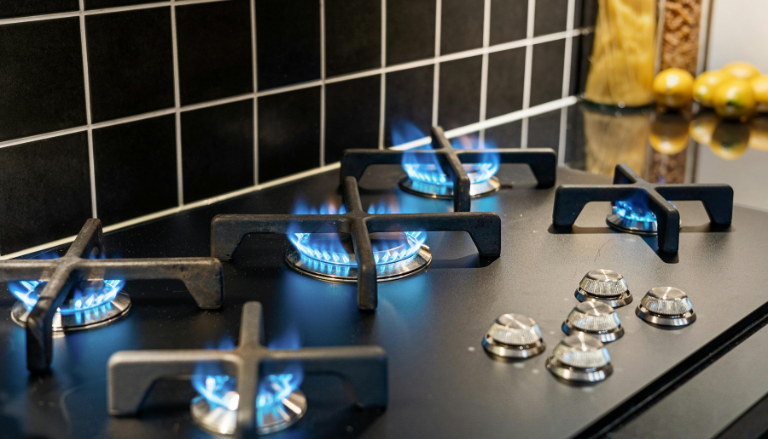
A commercial gas oven not lighting is one of the fastest ways to bring a busy kitchen to a standstill. No flame means no bake, no roast, and no way to keep up with ticket times. At PAPPAS PARTS & SERVICE, INC, our technicians are called out to diagnose a commercial gas oven not lighting almost every week, and in most cases the root cause traces back to the burner assembly or the gas valve itself.
Gas ovens are the backbone of most commercial kitchens, running for hours every single shift under constant heat cycling, grease exposure, and heavy daily use. That kind of workload eventually catches up with even the most reliable equipment, and a commercial gas oven not lighting is often the first clear sign that a component inside the valve or burner assembly has finally worn out.
In this guide, we will explain exactly why a commercial gas oven not lighting happens, walk through the diagnostic and repair process our technicians follow on real service calls, and share preventive steps to help you avoid an unexpected shutdown during your next rush. If your oven has a weak flame, no flame at all, or is cycling the burner unevenly, this guide will help you understand what is happening before the technician even arrives.
Why a Commercial Gas Oven Not Lighting Is So Disruptive
Commercial gas ovens are built around a chain of components that all have to work together: a gas valve, a pilot or electronic ignition system, a thermostat or control board, and the burner tubes themselves. When any single link in that chain fails, the result is the same — a commercial gas oven not lighting, sitting cold at the worst possible time.
Because these ovens run for hours every single day in most commercial kitchens, wear and tear on the valve and burner components is inevitable. The good news is that a commercial gas oven not lighting is almost always repairable, and in most cases our technicians can complete the fix in a single visit.
Common Causes of a Commercial Gas Oven Not Lighting
Based on hundreds of service calls, these are the most frequent reasons our technicians find for a commercial gas oven not lighting:
- Faulty or worn gas valve — Internal components inside the valve can wear out, restrict gas flow, or fail to open properly.
- Clogged burner ports — Grease, food debris, and carbon buildup inside the burner tube openings block proper gas flow and flame spread.
- Failed pilot or ignition system — A weak or dead pilot flame, or a faulty electronic igniter, will prevent the main burner from lighting at all.
- Damaged thermocouple or flame sensor — This safety component shuts off gas flow if it does not sense a flame, and a failing sensor can prevent ignition even when everything else works.
- Low or inconsistent gas pressure — Regulator issues or supply line problems can starve the burner of the gas pressure it needs to ignite reliably.
- Corroded or damaged wiring at the valve — On ovens with electronic ignition, damaged wiring can prevent the valve from receiving the signal to open.
Because so many different components can cause the exact same symptom, an accurate diagnosis is essential. Replacing the wrong part not only wastes money, it also delays getting your kitchen back up and running.
Warning Signs Before a Complete Burner Failure
A commercial gas oven not lighting rarely happens without warning. Watch for these early signs:
- A weak, yellow, or uneven flame instead of a strong blue flame
- The burner takes several tries to light or clicks repeatedly without igniting
- A faint gas smell near the oven, even briefly
- The pilot light goes out on its own during service
- Uneven cooking or baking temperatures across the oven cavity
Any one of these symptoms is a sign that your equipment needs professional attention before it fails completely. Catching the issue early almost always means a faster, less expensive repair.
How We Diagnose a Commercial Gas Oven Not Lighting
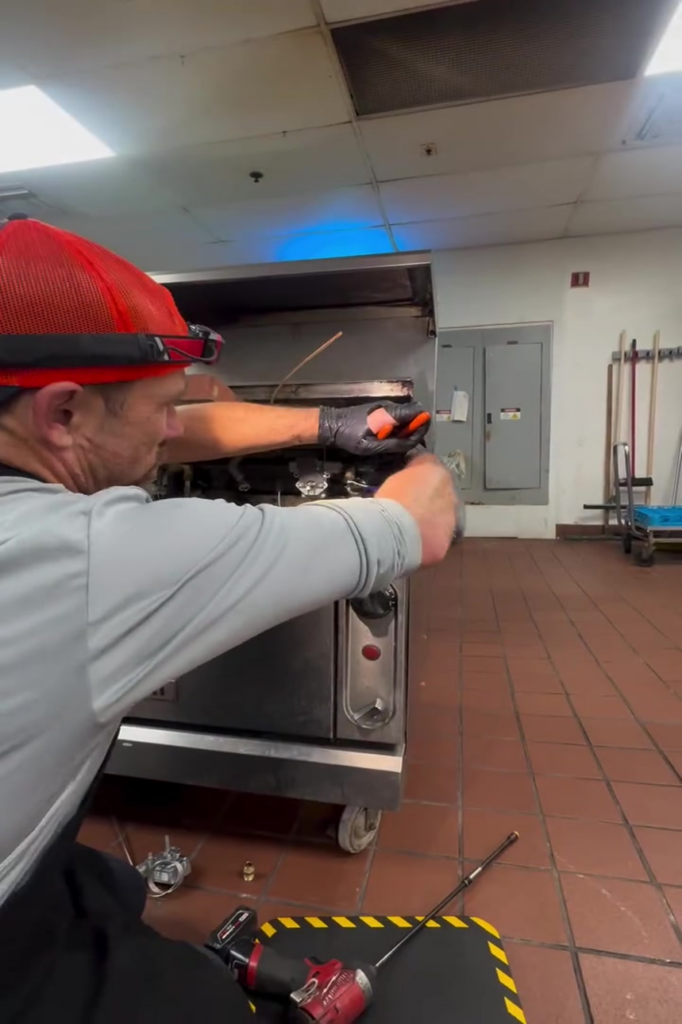
When our technicians respond to a commercial gas oven not lighting call, we follow a structured process to find the real cause quickly and safely:
- Safety shutoff — The gas supply is shut off and the unit is isolate before any component is touch.
- Visual inspection of burner and valve — Technicians check the burner tubes, ports, and gas valve for visible damage, corrosion, or blockage.
- Pilot and ignition testing — The pilot flame or electronic igniter is test to confirm it is generating a proper spark or flame.
- Gas pressure testing — A manometer is use to confirm the oven is receiving correct and consistent gas pressure.
- Valve and thermocouple testing — Each component is test individually to isolate whether the valve, sensor, or wiring is causing the fault.
This same methodical process is used across all of our gas appliance repair calls, whether it is an oven, range, griddle, or fryer. Testing before replacing parts is what keeps repair costs down and prevents repeat service calls.
Real Repair Case: Commercial Gas Oven Not Lighting Fix
Here is a recent example from one of our commercial kitchen service calls. The gas oven had a weak, inconsistent flame and was struggling to reach temperature, which was slowing down the entire kitchen line during service hours.
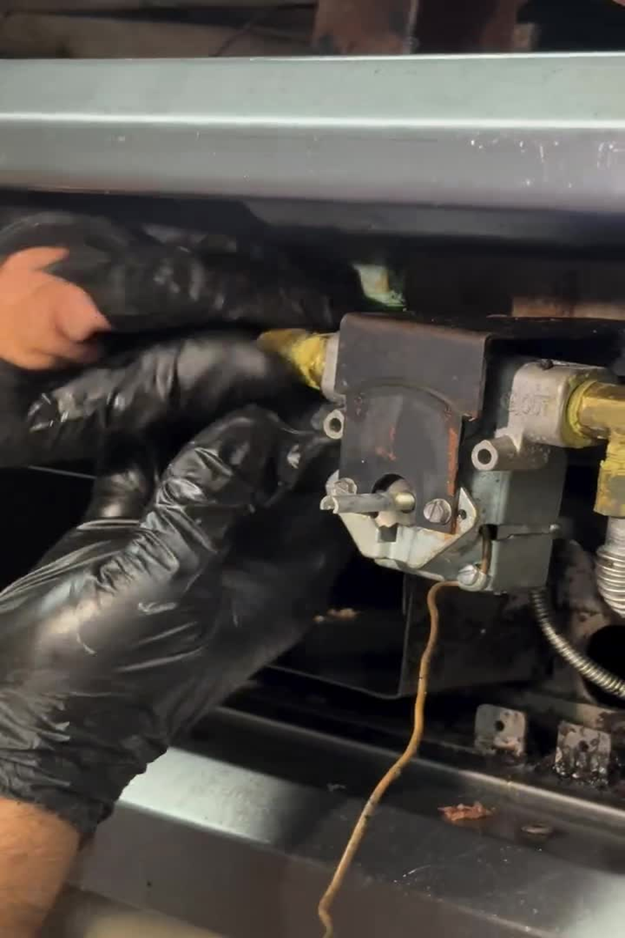
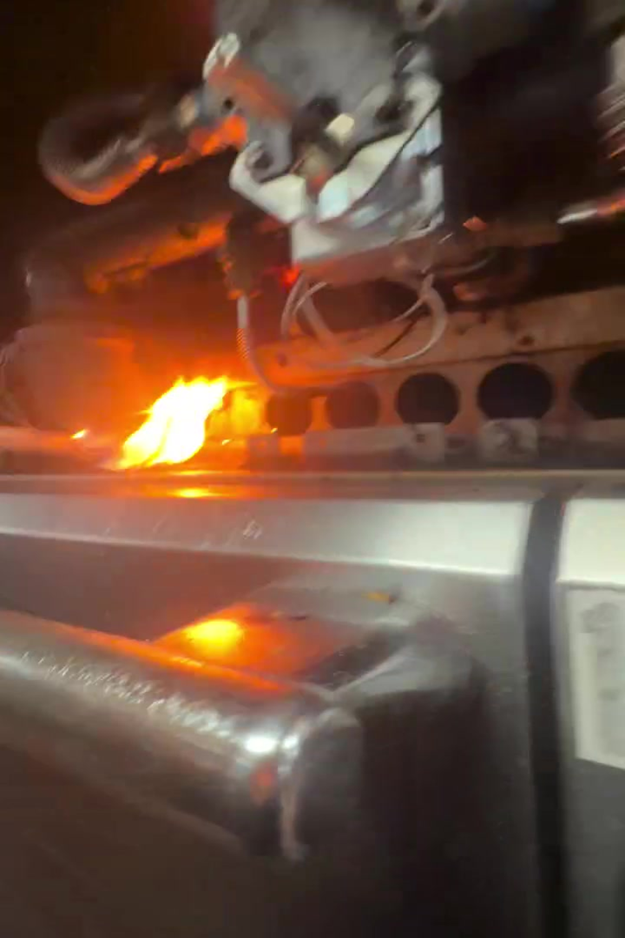
Our technician isolated the gas supply, removed the burner assembly, and fully disassembled the gas valve for inspection. The valve internals showed significant wear and were restricting proper gas flow, which explained the inconsistent flame. The valve was rebuilt with new components, the burner ports were clean of carbon buildup, and everything was reassemble and pressure-test before being put back into service.
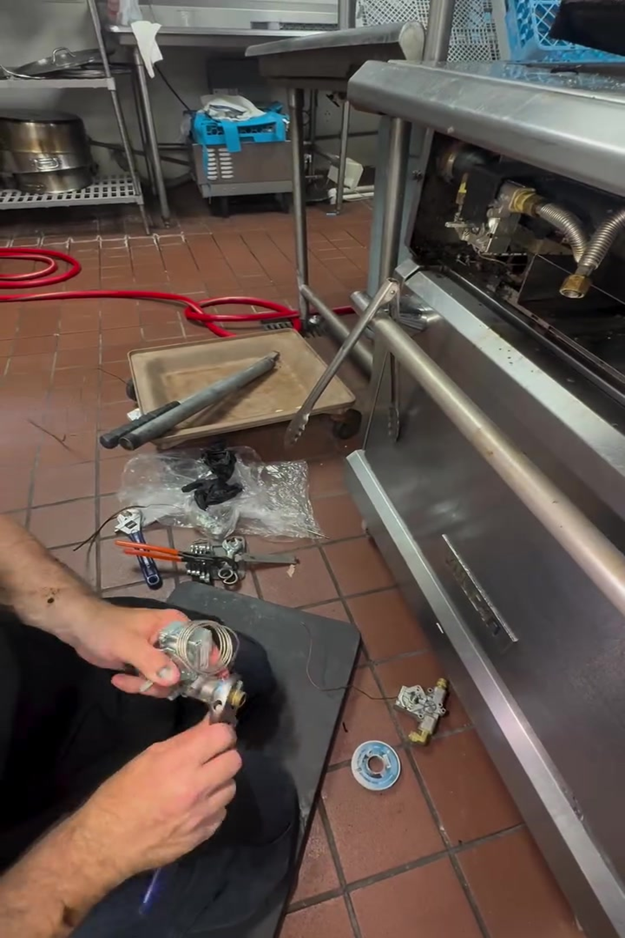
Once the gas valve was reassembled and the connections were seal and test for leaks, the technician relit the burners to confirm a full, even, blue flame across every port. The oven was back in full production the same day, with no return visit required.
This kind of same-day, on-site repair is exactly what busy kitchens need when a commercial gas oven not lighting threatens to shut down production. Our technicians carry common valve and ignition components on every service vehicle specifically to avoid multi-day delays, and every repair is document so you have a clear record of what was replace and why.
DIY vs. Professional Gas Oven Repair
Gas equipment repair is not the place to cut corners. Attempting to fix a commercial gas oven not lighting without proper training carries serious risks:
- Gas leaks — Improperly reassembled valves or fittings can leak gas, creating a fire or explosion hazard
- Carbon monoxide risk — A poorly repaired burner can produce incomplete combustion and dangerous CO buildup
- Voided warranty or code violations — Unlicensed repairs can void manufacturer warranties and violate local gas codes
- Wasted parts and time — Swapping components without proper testing often leads to repeat failures
Our license technicians are train and equipment to safely diagnose and repair commercial gas equipment, and every repair is pressure-test for leaks before we leave the site.
Dealing with a commercial gas oven not lighting right now? Do not risk a gas safety hazard. Contact Pappas Parts & Service, Inc. today for a fast, safe diagnosis and repair.
Preventive Maintenance to Avoid Ignition Failures
Routine maintenance is the best way to avoid an unexpected commercial gas oven not lighting during service. Our technicians recommend:
- Cleaning burner ports regularly to prevent carbon and grease buildup
- Scheduling a professional gas equipment inspection at least twice a year
- Checking pilot and ignition components before they fail completely
- Having gas pressure test periodically, especially in older buildings
- Addressing a weak or yellow flame immediately rather than waiting for full failure
A small investment in preventive maintenance is almost always cheaper than emergency repairs and lost production time. Many of our commercial clients now schedule seasonal inspections specifically to catch early signs of burner and valve wear before they cause a shutdown. Over time, this kind of proactive care also extends the life of the entire oven, delaying the need for a full equipment replacement.
Why Choose Pappas Parts & Service, Inc.
For years, PAPPAS PARTS & SERVICE, INC has been a trusted name for commercial kitchen equipment repair across Northeast Florida and Southeast Georgia. Our technicians handle gas ovens, ranges, griddles, fryers, and more, and our service vehicles are stocked with the parts needed to complete most repairs in a single visit.
When you work with our team, you get:
- Fast, same-day response for gas equipment failures
- Leak-tested repairs completed to code
- Fully stocked service vehicles to reduce return visits
- Technicians who treat your equipment like it is our own
Browse our full list of services to see everything we handle, take a look at completed jobs in our project gallery, or learn more about our team on our about page.
Service Areas We Cover
We proudly serve restaurants, convenience stores, and commercial kitchens throughout the region. If you are unsure whether we cover your location, visit our service areas page for a complete list of the cities and communities we support.
Frequently Asked Questions
Why is my commercial gas oven not lighting at all?
The most common causes are a worn gas valve, a clogged burner port, a failed pilot or igniter, or a faulty thermocouple. A professional diagnostic test is need to confirm which component is at fault.
Is a weak or yellow flame dangerous?
Yes. A yellow or uneven flame can indicate incomplete combustion, which may produce carbon monoxide. It should be inspect right away rather than left running.
Can I relight the pilot myself?
If the pilot will not stay lit or the oven still will not ignite after relighting, there is an underlying issue that needs professional diagnosis rather than repeated attempts to relight it.
How fast can this type of repair be complete?
Most commercial gas oven not lighting repairs are complete in a single visit when the technician has the necessary valve or ignition parts on hand.
Do you handle gas leak testing after a repair?
Yes. Every gas valve or fitting we service is pressure-test for leaks before the job is consider complete.
Final Thoughts
A commercial gas oven not lighting is a serious issue that affects both safety and production, but it is almost always fixable with the right diagnosis and the right parts. Whether your oven has a weak flame, an intermittent pilot, or has stopped lighting altogether, waiting only increases the risk of a complete shutdown during your busiest hours.
Ready to get your oven back up and running safely? Visit our homepage to schedule your repair and see why local restaurants trust our team with their gas equipment.
