
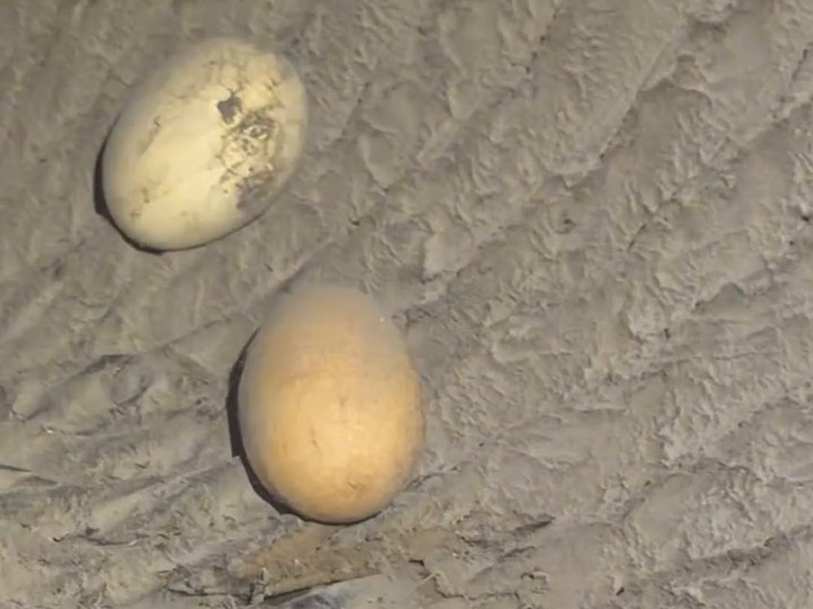
Most homeowners never see the inside of their air ducts. They run through the attic or crawl space, out of sight, moving the air your family breathes every day. That is exactly why a recent attic inspection by the team at Pappas Parts & Service caught our attention. When a technician opened a section of flex duct near the air handler, there were eggs inside, along with broken shells, all resting on a thick, rippled blanket of dust.
It sounds almost unbelievable, and it is the last thing anyone expects to find in a home comfort system. But what we found inside this duct will make you check your own, and in this guide we will explain what the discovery means, how it happens, which warning signs to look for and what you can do next.
What We Found Inside the Ductwork
The video starts the way many service calls do: a technician working in a tight, dark attic with a flashlight. The air handler sits on a platform with ductwork running off in several directions. Near the unit, a section of insulated flex duct looked wrong. When the technician pulled the duct open and shined a light inside, the problem was clear. A thick layer of dust coated the bottom of the duct, and resting on top of it were several eggs and pieces of broken eggshell.
We cannot say for certain what laid the eggs. Birds, reptiles and other small animals will nest anywhere that feels warm, dark and protected, and a damaged or disconnected duct can feel like exactly that. What matters is not the species. What matters is that something got inside a part of the home that is supposed to be sealed, and nobody knew until a technician looked.
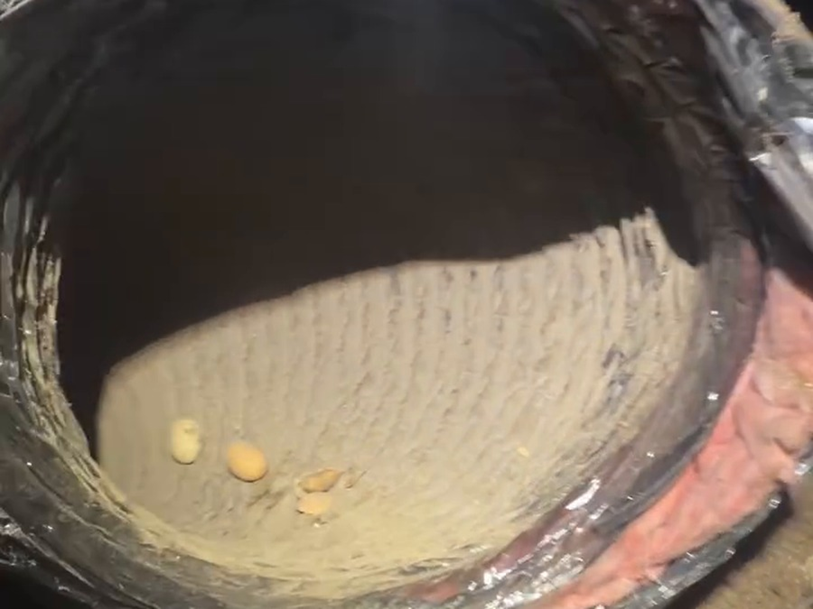
A wider view of the same duct, showing how much dust had built up.
Why This Discovery Matters for Your Home
Your ductwork is meant to be a closed pathway. Air is cooled or heated at the air handler, travels through the ducts and flows out of the vents into your rooms. If something has made its way into that pathway, the system is no longer closed. Here is what that can mean for you:
- Poorer indoor air quality: dust, insulation fibers, droppings and debris can be pulled into the airflow.
- Higher energy bills: damaged or leaky ducts waste conditioned air in the attic, so the system runs longer to reach the thermostat setting.
- Uneven temperatures: rooms far from the air handler may feel warmer or cooler than the rest of the house.
- Restricted airflow: debris, nesting material and collapsed sections can block air before it reaches the vents.
- Extra wear on equipment: when airflow is restricted, blower motors and compressors work harder and parts can wear out sooner.
- Moisture and odor problems: where there is a leak or condensation, mold and musty smells can develop.
How Do Eggs, Pests and Debris End Up in Air Ducts?
Homeowners often assume ducts are airtight. In reality, attic ductwork is exposed to heat, vibration, age and pests. The most common entry points include:
- Torn or disconnected flex duct: flexible duct is lightweight and can be punctured, crushed or pulled loose from its collar.
- Gaps around the air handler or plenum: poorly sealed joints give small animals a way in.
- Open attic vents and soffit gaps: these let pests into the attic, where they find the ducts.
- Aging seals: tape and mastic can dry out and fail over the years in North Florida heat and humidity.
Once a pest finds a gap, the inside of a duct looks like the perfect shelter. It is dark, quiet and protected from weather. Over time, dust settles around whatever is inside, just like it did in the duct we inspected.
8 Warning Signs Your Ductwork Needs to Be Checked
- Strange noises. Scratching, rustling or chirping from the attic, walls or vents.
- Musty or unpleasant odors when the system turns on.
- Dust blowing from the vents or settling quickly after you clean.
- Hot and cold spots. Some rooms never reach the temperature you set.
- Rising energy bills with no change in your habits.
- Weak airflow from one or more vents.
- Rust, water stains or moisture around the air handler or drain pan.
- Visible damage such as crushed, torn, sagging or disconnected duct sections.
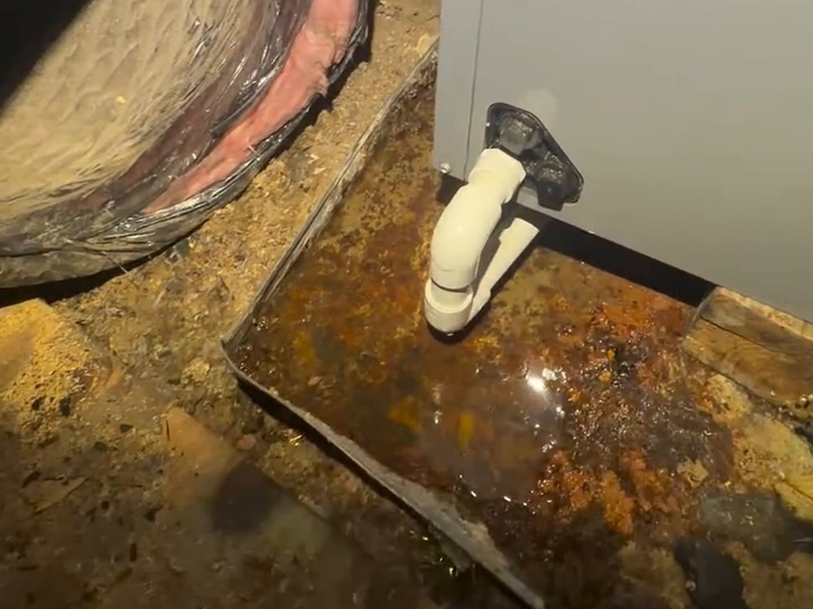
Rust and moisture staining around the air handler is another red flag we noticed on this inspection.
If you notice even one of these signs, it is worth having a professional take a look. Small problems are far easier and cheaper to fix than the ones that grow while nobody is watching.
What Can Go Wrong If You Ignore It?
| Problem | What It Can Cause | Typical Solution |
| Dust and debris buildup | Poor air quality, clogged filters, more allergens | Professional inspection and cleaning |
| Torn or disconnected duct | Wasted air, higher bills, uneven comfort | Duct repair or sealing |
| Pest nesting | Droppings, odors, blocked airflow | Remove nesting and close the entry point |
| Moisture or rust at drain pan | Water damage, corrosion, mold risk | Drain line and pan service |
| Old, worn ductwork | Constant leaks and poor efficiency | Replacement evaluation |
Not sure what is in your ducts?
The team at Pappas Parts & Service can inspect your attic ductwork and tell you exactly what is going on, with clear answers and no pressure. Reach out today and ask for a ductwork and attic inspection.
How to Check Your Own Ductwork Safely
You do not need to crawl through your attic to do a basic check, and we recommend you do not. Attics can be extremely hot, insulation can irritate skin and lungs, and one wrong step off a joist can put a foot through the ceiling. Here is a safer approach:
- Look at your vents and registers with a flashlight. Heavy dust, debris, droppings or anything that does not belong is a warning sign.
- Check your air filter. A filter that clogs unusually fast may point to high dust levels in the system.
- Listen for scratching, flapping or chirping when the system starts.
- Smell the air. Musty or animal odors are a clue that something is wrong.
- Compare room temperatures. Big differences between rooms can mean airflow problems.
If anything looks or sounds off, stop there and call a professional. A trained technician has the lighting, protective gear and experience to inspect an attic safely.
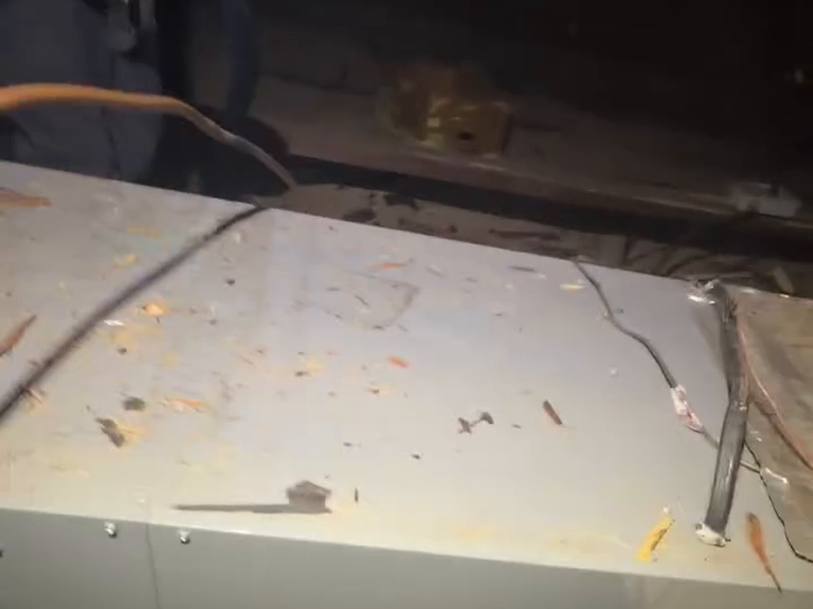
The air handler and surrounding ductwork are the first places a technician checks.
What a Professional Duct Inspection Includes
A proper inspection goes well beyond a quick glance. Pappas Parts & Service offers a full range of HVAC and appliance services, and a ductwork inspection typically covers the following:
- A visual check of all accessible ductwork, including the connections at the air handler and plenum.
- Inspection for tears, crushed sections, loose connections and failing seals.
- Evaluation of airflow and temperature differences between rooms.
- A look at the drain line, drain pan and the area around the unit for water and corrosion.
- A check for signs of pests, nesting material and contamination.
- A clear explanation of what was found, along with repair or replacement options.
Repair, Clean or Replace: What Are Your Options?
The right fix depends on what the inspection reveals. Here is how the decision usually breaks down:
- Repair and seal: if the damage is limited to a few torn or loose sections, targeted repairs and proper sealing can restore performance. If your system is struggling in other ways too, residential HVAC repair can address the equipment side of the problem.
- Clean and clear: if debris or nesting material is the main issue, removing it and closing the entry point may be enough.
- Replace: if ductwork is old, brittle or heavily damaged, or if the whole system is nearing the end of its life, it may be time to look at AC installation and replacement so the ducts and equipment are properly matched.
Local Help in Jacksonville and Across Northeast Florida
Our climate is tough on cooling systems. Long summers, heavy humidity and coastal conditions keep ducts and air handlers working hard for most of the year. Pappas Parts & Service helps homeowners and businesses across the region, including Jacksonville, Orange Park, St. Augustine, Fernandina, Callahan, Middleburg, Hilliard, Bryceville, Baldwin, Kingsland, St. Marys and Jacksonville Beach. You can see every community we cover on our service areas page, or learn who we are and how we work before you call.
How Often Should Ductwork Be Inspected?
There is no single schedule that fits every home, but a good rule of thumb is to have your ductwork looked at every few years. You should also schedule an inspection any time you:
- Buy or move into a new home.
- Hear or smell signs of pests.
- Finish a renovation or attic project.
- Notice higher energy bills or weak airflow.
- Replace or upgrade your HVAC system.
Do not wait for a surprise.
Call or message Pappas Parts & Service and ask for a ductwork and attic inspection. You can also check our Google Business Profile for reviews, hours and directions by clicking our business name.
Frequently Asked Questions
What should I do if I find eggs or a nest in my air duct?
Avoid handling it yourself. Nests and droppings can carry germs, and some wildlife is legally protected. Limit use of the system if you can and call a professional to remove the material and repair the opening.
Can animals really live in air ducts?
Yes. If a duct is torn, disconnected or poorly sealed, small animals and birds can get in, especially in a quiet attic where the duct is warm and sheltered.
How do I know if my ducts are dirty or damaged?
Watch for dust at the vents, musty odors, uneven temperatures, weak airflow, scratching noises and rising energy bills. A professional inspection is the only way to know for sure.
Is it safe to go into the attic myself?
We do not recommend it. Heat, insulation, tight spaces and fragile ceilings make attics risky. Let a trained technician handle it.
How much does a duct inspection cost?
The cost depends on the size of your home, how easy the attic is to reach and what the technician finds. Contact us for an accurate answer for your situation.
Can damaged ductwork raise my energy bill?
Yes. Leaks, tears and disconnected sections let conditioned air escape into the attic, so your system runs longer to keep your home comfortable.
The Bottom Line: What We Found Inside This Duct Will Make You Check Your Own
Eggs in a duct may sound like a one-off story, but the lesson applies to every home with attic ductwork. Problems hide where you cannot see them, and they get more expensive the longer they stay hidden. Truly, what we found inside this duct will make you check your own, because a quick professional inspection is the easiest way to protect your comfort, your air quality and your budget.
Ready to see what is inside your ductwork?
Do not guess. Let the experts at Pappas Parts & Service take a look. Contact us today to schedule your ductwork and attic inspection.
