
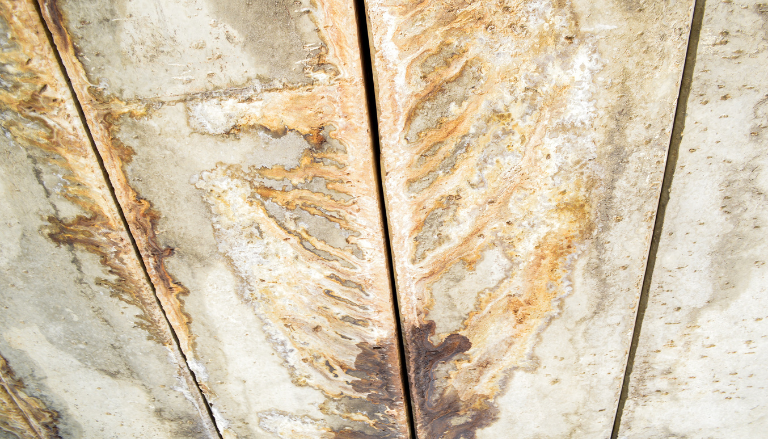
You look up and see a wet spot spreading across a ceiling tile. There isn’t a cloud in the sky, no rain in the forecast, and yet you’re dealing with ceiling dripping water right in the middle of your restaurant, office, or living room. It’s confusing, a little alarming, and if you manage a commercial kitchen, it can feel like a full-blown emergency. Here’s the good news: ceiling dripping water on a sunny day almost never means your roof is failing. In most cases, the real culprit is hiding just above your ceiling tiles, inside your air conditioning ductwork. In this guide, the team at Pappas Parts & Service breaks down exactly why this happens, what we found during a recent real-world inspection, and how to stop it before it turns into costly damage.
It’s Not the Weather — It’s Condensation
When people notice ceiling dripping water on a clear, sunny day, the first instinct is to blame the roof. But roofs typically leak when it’s actively raining, not hours after the last storm passed. If the leak shows up during the hottest part of the afternoon, especially after your air conditioner has been running for a while, you’re almost certainly looking at condensation rather than a roofing problem.
Here’s the simple science behind it: warm, humid air outside your ductwork meets the cold metal surface of a duct carrying chilled air inside. When that temperature difference is big enough, moisture in the surrounding air condenses on the outside of the duct — the same way a cold glass of iced tea “sweats” on a hot afternoon. If that section of duct isn’t properly insulated, or the insulation has worn away over time, water droplets build up, drip onto the ceiling tiles above, and eventually soak through, creating the exact wet spot you’re noticing from below.
Common Causes Behind Ceiling Dripping Water
Ceiling dripping water can come from more than one source. Based on what our technicians see on service calls across Northeast Florida, here are the most common causes:
- Uninsulated or poorly insulated ductwork — warm air meeting cold metal creates constant condensation.
- A clogged condensate drain line — the line that carries moisture away from your AC’s evaporator coil backs up and overflows.
- Low refrigerant levels — a system running low on refrigerant can cause the evaporator coil to freeze, then drip heavily as it thaws.
- Dirty air filters — restricted airflow makes coils freeze and later melt, sending water where it shouldn’t go.
- Aging AC equipment — older systems are more prone to all of the above, which is one reason we recommend evaluating AC installation and replacement once a unit starts showing its age.
- Poor duct sealing or damaged seams — gaps let humid air infiltrate the duct system and condense inside.
What We Found Behind One Restaurant’s Ceiling
During a recent visit, our technicians took a closer look above the dining area of a local restaurant, where staff kept finding puddles beneath the ceiling tiles on days it hadn’t rained at all. When we pulled back the tile, the source was obvious immediately: a long section of ductwork was coated in condensation, with water beading across the metal surface and running down in steady drips, almost like indoor rainfall, straight onto the ceiling above a booth full of customers.
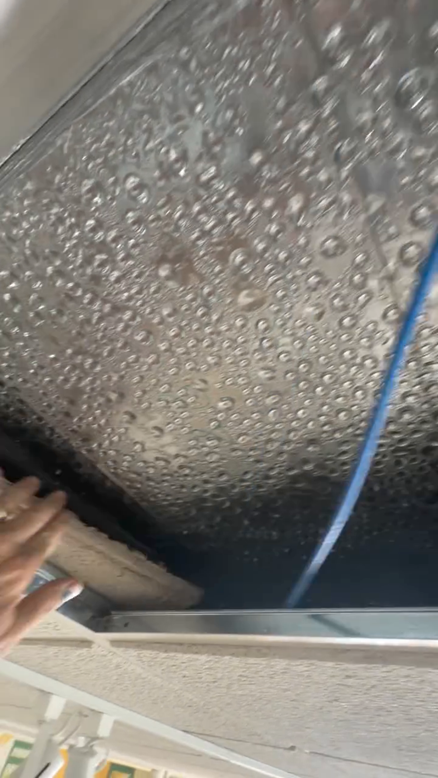
Heavy condensation beading across an uninsulated duct — a classic cause of ceiling dripping water.
This is a textbook case of ceiling dripping water caused by a sweating duct. That section had lost its insulation, so the cold air moving through it was constantly meeting warm, humid air trapped above the ceiling. Every degree of that mismatch turned into more moisture, and every bit of moisture turned into another drop landing on the tile below.
For a restaurant, this isn’t just an inconvenience — it’s a food safety and liability issue. Wet ceiling tiles above a dining area can lead to mold growth, weakened structural material, and even electrical hazards if water reaches wiring or light fixtures. That’s exactly why commercial businesses count on fast, reliable commercial HVAC repair the moment a problem like this is spotted.
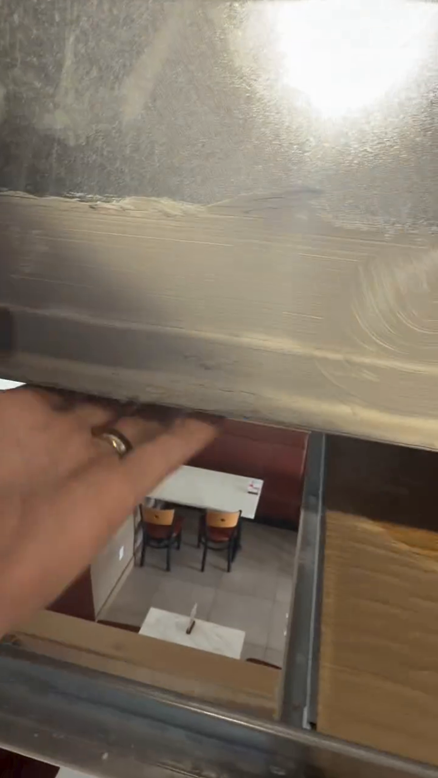
The dining booth directly below the leaking duct section.
Notice ceiling dripping water anywhere on your property? Don’t wait for it to spread. Reach out to Pappas Parts & Service and get a technician on-site to pinpoint the exact source. You can also find us on Google to see reviews from local homeowners and business owners we’ve already helped.
Why This Happens More in Florida’s Heat and Humidity
Northeast Florida’s climate makes this problem especially common. High outdoor humidity combined with long, hot cooling seasons means air conditioning systems run for extended hours nearly every day. That constant runtime, paired with humid air, creates ideal conditions for condensation to form on any duct section that isn’t fully insulated or sealed. Homes and businesses throughout the region are especially prone to ceiling dripping water during the peak of summer, when both temperature and humidity are at their highest.
Why You Shouldn’t Ignore Ceiling Dripping Water
- Mold and mildew growth inside ceiling cavities
- Damaged insulation, drywall, and ceiling tiles
- Repair costs that grow larger the longer you wait
- Electrical hazards near wiring and light fixtures
- Health and safety risks, especially in commercial kitchens
- Reduced system efficiency and higher energy bills
Ignoring ceiling dripping water rarely makes the problem go away on its own. In most cases, the leak gets worse as insulation continues to break down and moisture spreads further into surrounding materials, turning a simple fix into a much bigger repair.
DIY vs. Professional Repair
A bucket and a mop can manage the mess temporarily, but fixing the actual source of ceiling dripping water requires locating the exact section of duct or drain line responsible — something that typically means working inside tight ceiling spaces with the right tools and experience. For homeowners dealing with a similar drip near a vent or return, our residential HVAC repair team can diagnose the issue and repair it correctly the first time, rather than leaving you to guess.
Residential vs. Commercial Considerations
A single dripping vent in a living room and a soaked ceiling tile above a busy restaurant dining room are very different emergencies, but both trace back to the same root causes. Whether you’re managing a single-family home or a full commercial kitchen, Pappas Parts & Service offers a complete range of solutions, from duct insulation and repair to full system replacement. You can browse our full range of services to see everything we handle, including air conditioning, refrigeration, and gas appliance work.
What a Technician Actually Checks During an Inspection
When a technician arrives to investigate ceiling dripping water, the visit usually follows a clear process rather than guesswork. First, they’ll rule out obvious plumbing or roofing sources near the affected area. Next, they’ll access the ceiling space to inspect ductwork for visible condensation, gaps in insulation, or damaged seams. They’ll also check the condensate drain line for clogs and test airflow and refrigerant levels at the AC unit itself, since a frozen, thawing coil can mimic the same dripping pattern as a sweating duct. Pinpointing the exact cause before starting repairs is what separates a lasting fix from a temporary patch that lets the ceiling dripping water come right back a few weeks later.
Why Local Businesses and Homeowners Choose Pappas Parts & Service
Pappas Parts & Service has built a reputation across Northeast Florida for showing up fast, diagnosing the real problem instead of guessing, and explaining exactly what’s happening in plain language. Whether it’s a sweating duct above a dining room or a drip near a bedroom vent, the goal is always the same: find the source of the ceiling dripping water, fix it correctly, and make sure it doesn’t come back.
Don’t let a small drip turn into a major repair bill. Schedule an inspection with Pappas Parts & Service before that wet ceiling tile becomes a much bigger problem.
How to Prevent Ceiling Dripping Water Before It Starts
The best way to deal with ceiling dripping water is to catch the warning signs before a tile ever gets wet. A little routine maintenance goes a long way toward keeping condensation, clogged drains, and refrigerant issues from ever reaching your ceiling in the first place:
- Schedule seasonal HVAC tune-ups so a technician can inspect duct insulation, drain lines, and refrigerant levels before summer humidity peaks.
- Replace air filters on a regular schedule to keep airflow steady and prevent coils from freezing.
- Flush condensate drain lines periodically so they don’t back up and overflow into the ceiling.
- Have any exposed or aging ductwork re-insulated, especially in attics, drop ceilings, or spaces above commercial kitchens.
- Watch for early warning signs, such as musty smells, faint staining, or soft spots on ceiling tiles, and call for an inspection right away instead of waiting for a visible drip.
For commercial kitchens in particular, where ceiling dripping water above food prep or dining areas can trigger health code violations, proactive maintenance isn’t optional, it’s part of protecting the business.
Proudly Serving Northeast Florida
From Jacksonville to St. Augustine, Orange Park to Fernandina, and every community in between, our service area covers homes and businesses throughout the region, so help is never far away when you’re dealing with ceiling dripping water or any other HVAC or refrigeration issue.
Frequently Asked Questions
Why is my ceiling dripping water when it isn’t raining?
In most cases, it’s condensation forming on an uninsulated or poorly sealed section of AC ductwork, not a roof leak. Warm, humid air meeting a cold duct surface produces moisture that drips down onto the ceiling below, especially during hot, humid afternoons.
Is ceiling dripping water dangerous?
Yes. Left unaddressed, it often leads to mold growth, weakened ceiling materials, and electrical hazards near wiring or light fixtures. In commercial kitchens, it can also become a food safety and liability concern.
Can I fix ceiling dripping water myself?
You can manage the immediate mess with towels or a bucket, but finding and correctly repairing the source, whether it’s a sweating duct, a clogged drain line, or low refrigerant, usually requires a trained technician with the right tools and access to tight ceiling spaces.
How much does it cost to repair a sweating duct?
Costs vary depending on how much duct needs re-insulating or resealing and how accessible the ceiling space is. A technician can give you an accurate estimate after a hands-on inspection of the affected area.
How can I tell if a wet ceiling is from a roof leak or ceiling dripping water caused by AC condensation?
Roof leaks almost always line up with rainy weather and often trace back toward a roofline, flashing, or vent penetration. Condensation-related ceiling dripping water tends to show up on dry, sunny, humid days, usually directly below or near ductwork, and often gets worse the longer the air conditioner has been running.
Does ceiling dripping water mean I need a new AC system?
Not necessarily. Many cases are resolved by re-insulating or resealing a section of ductwork, clearing a drain line, or recharging refrigerant. A full replacement is usually only recommended when the unit is older, inefficient, or has a history of repeated breakdowns.
Final Thoughts
Ceiling dripping water on a sunny day can feel like a mystery, but it almost always comes down to condensation building up on ductwork that isn’t properly insulated or sealed. Left alone, it can damage ceilings, encourage mold, and create real safety risks for your home or business. Caught early and repaired correctly, it’s a straightforward fix.
Ready to stop the drip for good? Contact Pappas Parts & Service today and let our technicians find the real source of your ceiling dripping water, fast, honest, and done right the first time.
